Home › Asphalt Driveway Repair & Replacement
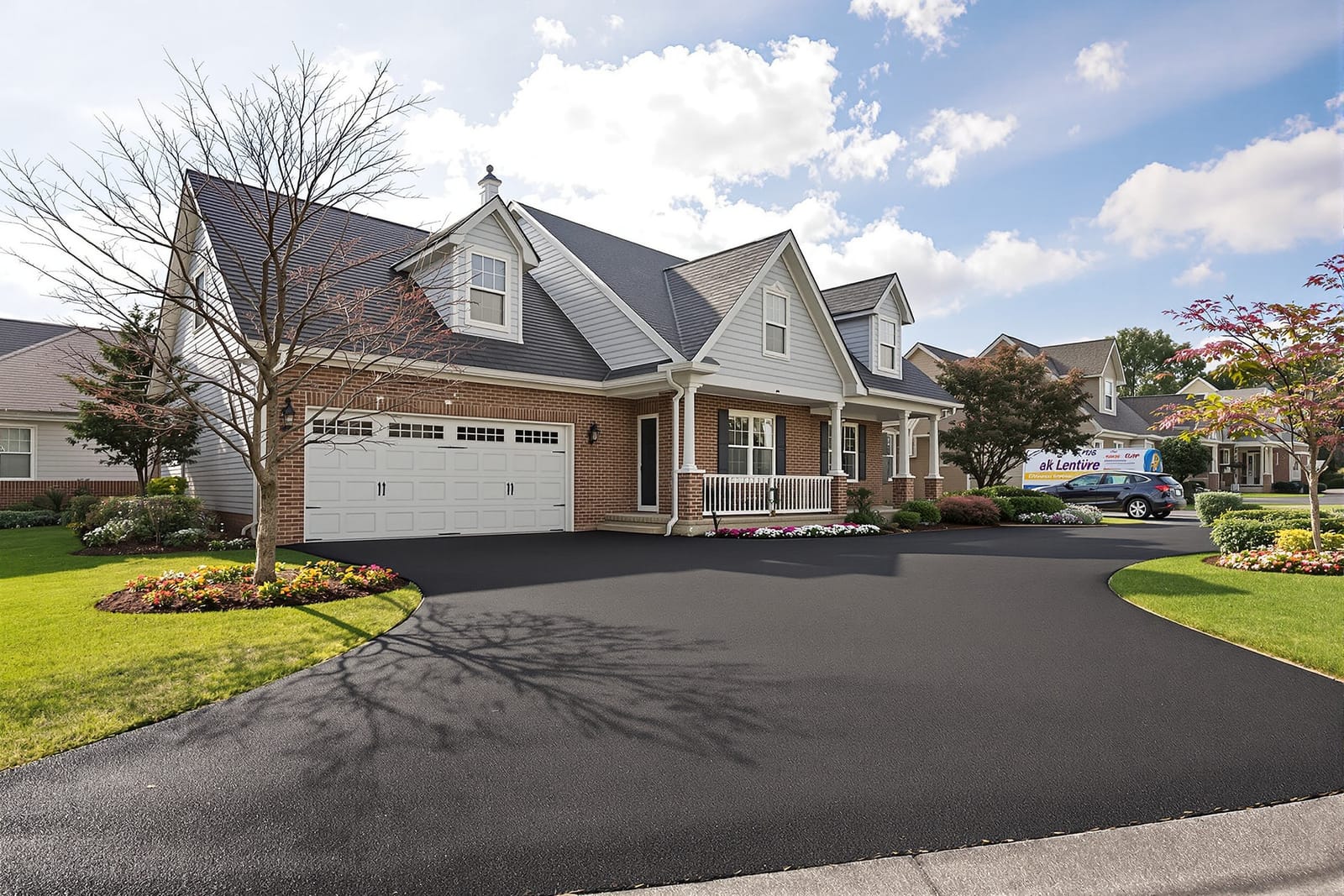
Precision Asphalt Atlanta provides asphalt driveway repair in Atlanta, GA to restore safety and appearance to cracked, sunken, or failing driveways. We assess your driveway condition, then recommend patching, crack repair, overlay, or full replacement based on long term value. Our team uses quality materials and proper compaction to stop water intrusion and prevent further damage.
Precision Asphalt Atlanta provides professional asphalt driveway repair throughout Atlanta, GA, Georgia and the surrounding area. Our licensed, insured crew delivers safe, clean, on-time work with a free estimate before anything begins. Call (470) 683-6069 or request your free quote.
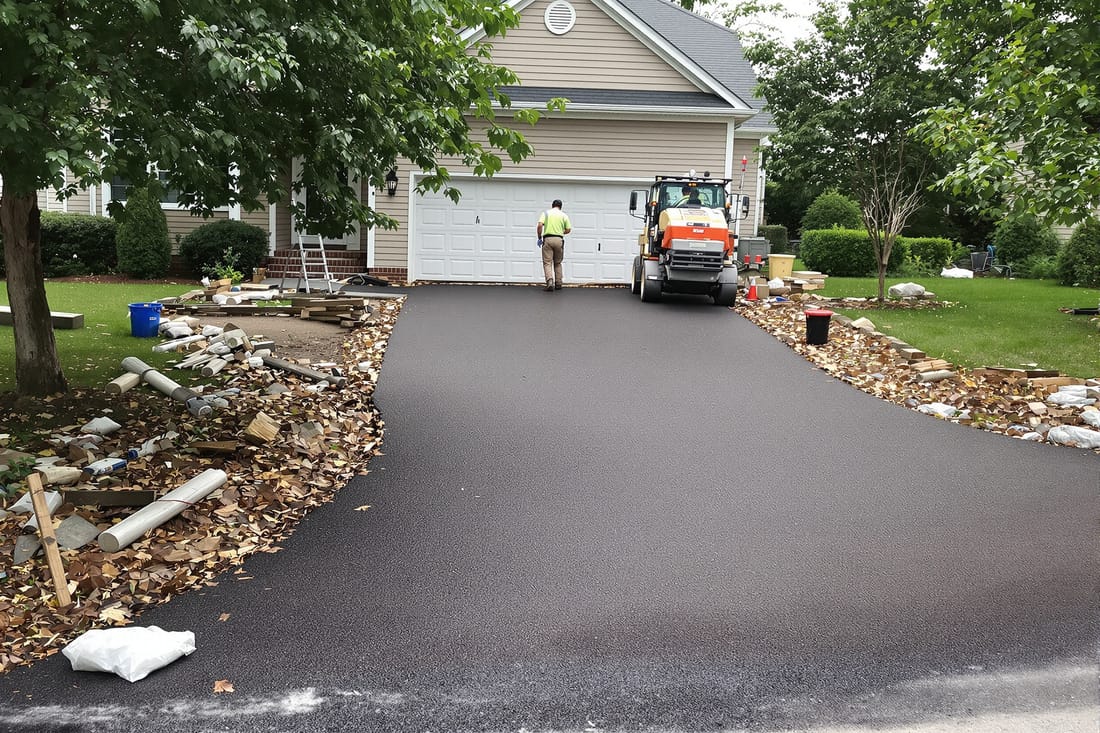
Asphalt Driveway Repair for Atlanta Homes and Small Businesses
Driveways in Atlanta take a beating from summer heat, sudden storms, and daily traffic. Precision Asphalt Atlanta focuses on asphalt driveway repair that fits local conditions and the way our neighborhoods are actually built, from older brick homes in Grant Park and Kirkwood to newer construction in South Fulton and North Gwinnett.
When we look at a driveway, we do not just see cracks. We look at how the water moves across it, how the edge meets the yard, where cars usually park, and what kind of base the original builder used. Many older Atlanta driveways were laid thin over a weak stone base, which is why you see rutting and sinking near garage doors and at the street.
Our goal is to extend the life of your driveway when repair makes sense and to be honest when replacement is the better long term choice. We explain the condition in plain language, show you specific problem areas, and outline realistic options so you can choose what fits your budget and how long you plan to stay in the home.
How We Inspect and Diagnose Your Driveway Problems
Before talking about price, Precision Asphalt Atlanta starts with a detailed on site assessment. We walk the entire driveway with you and point out what we see. This is not a quick glance from the street.
We check:
• Crack patterns: Thin, straight cracks often come from minor shrinkage or a single movement. Alligator cracking, which looks like a spider web, usually means deeper base failure.
• Drainage: We watch where water would run during a storm. Puddles near the garage, at the low point of a curved driveway, or against a retaining wall are signs water is shortening the life of the asphalt.
• Edges: Many Atlanta driveways break down at the sides because builders skipped concrete curbing or proper stone support. We look for crumbling edges and broken corners where tires drop off the pavement.
• Thickness and base: Where possible we check the existing asphalt thickness at a broken edge or low area. We gently probe the stone base below to see if it is compact and stable or loose and muddy.
• Surface wear: Gray, dry looking asphalt that is raveling (stones coming loose from the surface) tells us the binder has aged. This affects whether a simple overlay will bond well.
After this walkthrough, we explain which areas can be cost effectively repaired, which are candidates for resurfacing, and which sections are too far gone and should be replaced. This helps avoid spending money on patchwork that will not last through many more Atlanta summers.
Targeted Asphalt Driveway Repairs and Patching
For many Atlanta homeowners, full driveway replacement is not necessary. Precision Asphalt Atlanta offers targeted repair methods that deal with specific problems while controlling cost.
Crack filling: For linear cracks up to about half an inch, we clean out dirt and vegetation, use hot compressed air where needed to dry the crack, then apply a hot rubberized crack sealant. This flexible material expands and contracts with temperature swings and keeps water from getting into the base. For wider cracks, we may rout them first to create a clean, uniform channel so the sealant bonds better.
Pothole and base repair: Potholes in driveways are usually a symptom of water intrusion and weak base. We saw cut the failed area into a neat rectangle or square, remove all loose asphalt and soft stone, then rebuild the base with compacted graded aggregate. Only after the base is firm do we place and compact new hot mix asphalt flush with the existing surface.
Edge build up and stabilization: Where edges are breaking down, we may cut back the damaged strip, re build the base to full depth, and either tie into a new concrete ribbon or taper the asphalt into the yard with added stone support. This keeps car tires from crumbling the edge the next time someone pulls off slightly.
Transition smoothing: Many Atlanta driveways have a harsh bump or dip where the drive meets the city street or alley. We can mill or grind high spots and install a small asphalt wedge to create a smoother transition that does not scrape car bumpers.
When Driveway Replacement or Resurfacing Is the Better Choice
Eventually a driveway reaches the point where patches are no longer cost effective. Precision Asphalt Atlanta helps you decide between a full tear out and replacement or a resurfacing overlay.
Full replacement is usually recommended when:
• Large areas show alligator cracking.
• Multiple deep potholes keep coming back.
• The driveway holds water in several spots even after rain ends.
• The base is soft or pumping when heavy vehicles drive over it.
In a full replacement, we remove the old asphalt, correct base issues, address drainage, and then install new asphalt to an appropriate thickness, typically 2 to 3 inches compacted for residential drives. On steeper in town hills, we may suggest a slightly textured finish to improve traction during rain.
Resurfacing, also called an asphalt overlay, can be a strong middle ground if the base is sound and there are no widespread structural failures. We mill or grind down high spots, repair isolated bad sections, clean the surface thoroughly, then place a new layer of hot mix asphalt over the top. This gives your driveway a fresh, uniform look and adds structural strength without the full cost of tear out.
We are candid about which option gives you the best value per remaining year of service, especially in Atlanta where intense sun and heavy afternoon downpours shorten the lifespan of marginal work.
Materials, Thickness, and Design Choices for Atlanta Driveways
Not all asphalt is the same. Precision Asphalt Atlanta uses mixes that are suited to our local climate and the type of traffic your driveway receives.
Mix selection: For most residential driveways we use a dense graded hot mix with a balance of fine and coarse aggregate so it resists both cracking and raveling. On driveways that regularly see heavier vehicles, such as work vans or small box trucks often found with home based businesses, we may adjust the mix to handle the extra load.
Thickness: A common mistake in older Atlanta neighborhoods is very thin asphalt placed over clay. For standard passenger vehicles, we usually recommend at least 2 inches of compacted asphalt over a properly prepared base. For drives that serve as shared access or see heavier equipment, we may suggest 3 inches or a two lift system (a base course and a finer surface course) for added strength.
Drainage and layout: Many in town lots have slopes toward the house. Where we can, we adjust driveway grading slightly or add small swales and drains so water runs away from the garage, basement door, or crawlspace vents. On long or curved drives in North Atlanta subdivisions, we consider where runoff will go so you are not sending extra water toward a neighbor or eroding a slope.
Edges and finishes: You can choose straight or gently curved edges, concrete ribbons, or asphalt only. A clean rolled asphalt edge can work very well if the stone base extends fully to the side and is compacted. We discuss how you actually use the space, including how you back in or turn around, so the design fits your daily routine.
What Drives the Cost of Asphalt Driveway Repair in Atlanta
Two asphalt driveways can look similar at first glance but cost very different amounts to repair or replace. Precision Asphalt Atlanta explains the main cost factors so you understand where your money is going.
Size and shape: Long or wide driveways in areas like Milton, Alpharetta, or South Fulton simply use more material. Tight curves, steep slopes, or multiple tie ins at sidewalks, carports, and parking pads require more labor and careful handwork.
Existing base condition: If your base is solid, we may only need minor leveling and patching before resurfacing. If the base is soft, holds water, or was never properly compacted, more excavation and new stone are required. Base repairs are not as visible as new black asphalt, but they make the biggest difference in how long the driveway lasts under Atlanta heat.
Access and logistics: Backing trucks and equipment into a narrow intown driveway off a busy street takes more time and care than working in a wide cul de sac. Limited access can also mean more hand tools and wheelbarrow work instead of direct truck dumping.
Thickness and mix type: Thicker asphalt and higher performance mixes cost more up front but provide better resistance to rutting and cracking. We lay out cost options clearly so you can weigh immediate budget against long term durability.
Timing and coordination: Because Atlanta weather can shift quickly, we schedule work for dry windows and adjust crew timing to avoid putting fresh asphalt down just before a thunderstorm. Proper timing protects your investment and prevents surface damage.
Why Atlanta Homeowners Choose Precision Asphalt Atlanta
Local experience matters with asphalt driveway repair in Atlanta. Our crews work every day with the same red clay, neighborhood layouts, and weather patterns you deal with, from Decatur to Smyrna and across the metro.
Communication: Before we start, you know exactly what areas we will repair or replace, what thickness we will install, and how long the work should take. During the job, a foreman is on site to answer questions and walk you through progress.
Respect for your property: We treat every driveway as if it were in our own neighborhood. That means protecting nearby grass and landscaping, keeping work zones tidy, and cleaning up at the end of each day. We coordinate around your parking needs so you are not stranded while the asphalt cures.
Practical guidance: We provide clear instructions for the first 24 to 72 hours after installation, such as where not to park, how to avoid scuffing, and what is normal to expect as the asphalt cools and hardens. We also explain simple maintenance steps, like when to consider sealcoating and how to prevent oil spots from soaking in.
Most important, Precision Asphalt Atlanta focuses on long term performance rather than quick cosmetic fixes. Whether you need a few solid patches or a full driveway replacement, we aim for work that handles Atlanta traffic and weather year after year without constant call backs.