Home › Walkway and Pathway Paving
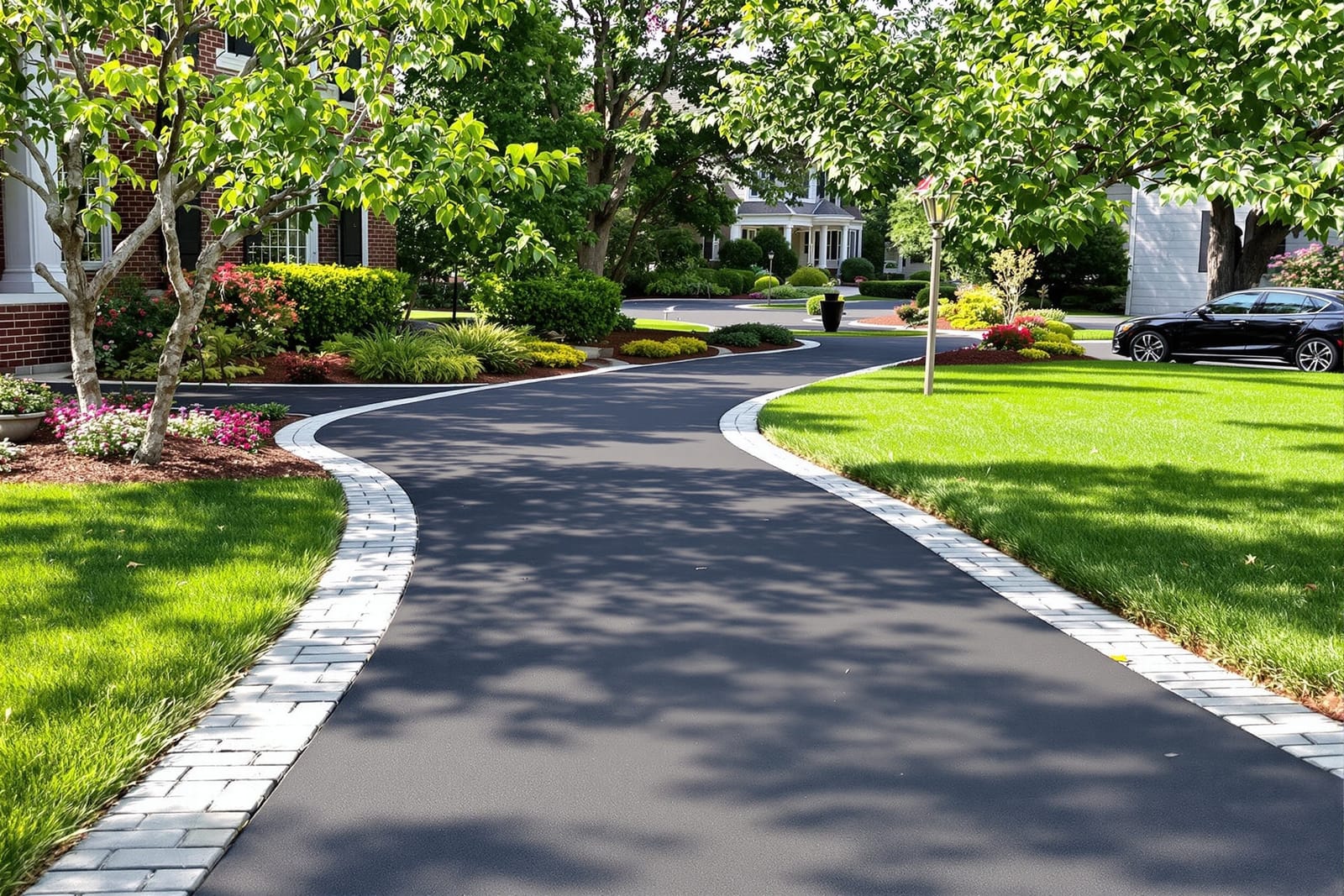
Precision Asphalt Atlanta performs asphalt walkway paving in Atlanta, GA to create smooth, safe paths around homes and residential communities. We design and install walkways that follow your landscaping, manage drainage, and provide comfortable footing. From backyard paths to shared neighborhood walkways, our asphalt solutions are attractive and low maintenance.
Precision Asphalt Atlanta provides professional asphalt walkway paving throughout Atlanta, GA, Georgia and the surrounding area. Our licensed, insured crew delivers safe, clean, on-time work with a free estimate before anything begins. Call (470) 683-6069 or request your free quote.
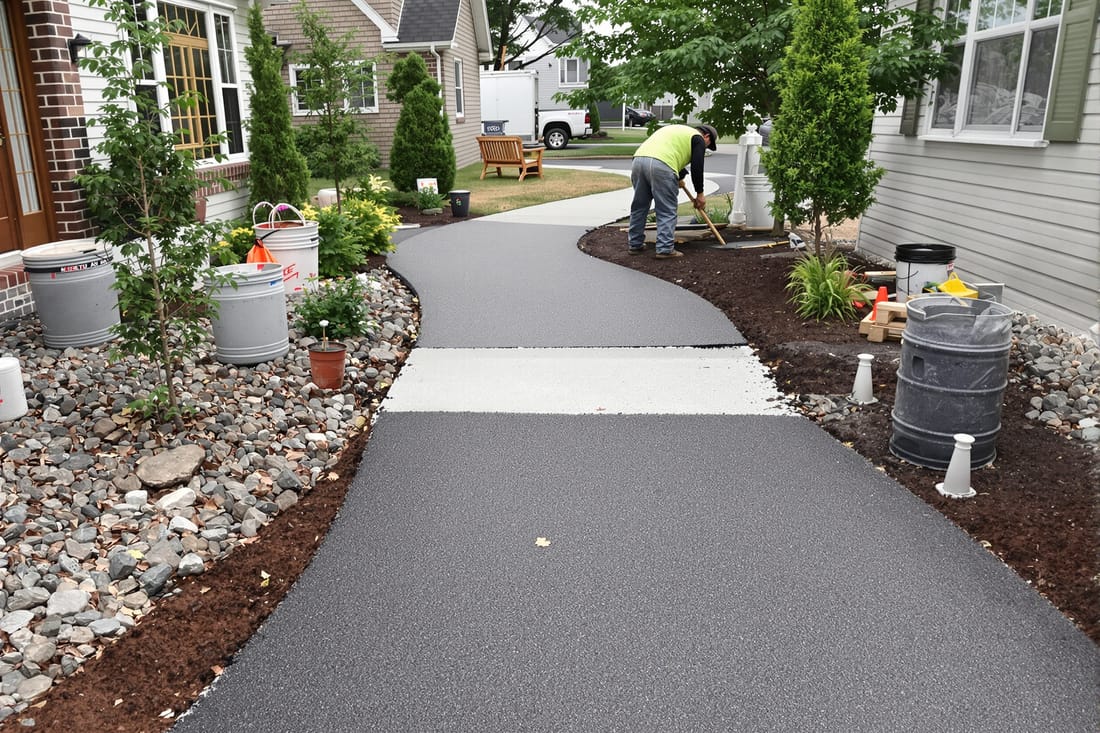
Asphalt walkway paving for Atlanta homes, churches, and businesses
Walkways and pathways in Atlanta take a beating from heat, storms, and foot traffic. At Precision Asphalt Atlanta, we build asphalt walkways that hold up to all three. Whether you are connecting a driveway to a front door in Decatur, adding paths around a playground in Smyrna, or upgrading an older concrete walk around a Buckhead office, we design the paving to fit how people actually use the space.
Asphalt walkway paving is not just a smaller version of a driveway. People stop, turn, roll carts, push strollers, and drag trash bins on walkways, so the surface needs the right mix and base under it. We start by asking how the path will be used and who will use it, such as kids, seniors, or customers with mobility challenges. That tells us how wide to make it, what slope is acceptable, and where we need extra attention to drainage or traction.
Atlanta properties have a mix of older bungalows, newer townhomes, and commercial sites built at different times. Many of the existing walkways around these buildings are thin concrete or scattered stepping stones that shift over time. We often replace those with continuous asphalt paths that are smoother to walk on and easier to maintain. We also tie into existing driveways or parking lots, so the walkway feels like part of a complete layout instead of an afterthought.
Our crews work across the metro area, including tight in-town lots and sloped lots in neighborhoods like Mableton or East Point. That local experience matters, because soil type and water flow are different in each area, and those details affect how long a paved walkway will last.
How we build long lasting asphalt walkways and paths
Every successful asphalt walkway starts under the surface. Precision Asphalt Atlanta follows a clear process so the path does not crack or sink after one summer thunderstorm.
1. Layout and drainage planning
We walk the property with you to set the exact alignment, width, and connection points. Then we look at how water currently moves across the site. In Atlanta clay soil, water tends to sit on top instead of soaking in. If we pave across a natural drainage line without a plan, water will pool on the new path. We adjust the route or build in slight cross slope so water sheds off the walkway and toward lawn or drains.
2. Excavation and base preparation
We remove grass, old pavement, and soft soil to reach firm ground. For most residential walkways we excavate 4 to 6 inches, more if the soil is spongy or if the path will handle golf carts or maintenance equipment. Then we install a graded crushed stone base, typically granite or limestone, which we compact in thin lifts with a vibratory plate or roller. This step is critical in Atlanta because clay expands and contracts with moisture. A stable base helps spread that movement so the asphalt does not crack.
3. Edging and forms
Where needed, we add edging. This might be steel, concrete, or decorative stone. On curved garden paths, we sometimes use flexible edging to hold the asphalt shape. Edging keeps the path from crumbling at the edges and gives a cleaner line for landscaping crews to trim against.
4. Asphalt placement and compaction
We use a fine graded asphalt mix designed for pedestrian surfaces. It has smaller aggregate than a heavy truck mix, which creates a smoother finish that is easier for walkers, wheelchairs, and strollers. For most walkways we install 2 to 3 inches of hot mix asphalt in one or two lifts, depending on use. Our crew rakes and levels by hand where needed, then compacts with the right size roller so we do not over vibrate near foundations, tree roots, or utility lines.
5. Finish work and clean up
We check transitions where the new path meets steps, porches, and driveway edges, and feather the asphalt so there is no tripping lip. On sloped walkways we lightly texture the surface during compaction for better traction. After cooling, we clean the site, remove debris, and leave you with clear instructions on when to walk on the surface and how to care for it the first few weeks.
Design choices for walkways around Atlanta properties
There is more flexibility in asphalt walkway paving than many people realize. Precision Asphalt Atlanta helps you choose dimensions and layouts that make daily use easier and safer.
Width and layout
For a basic residential front walk, 3 to 4 feet wide is common. If you expect two people to pass comfortably, or you have regular wheelchair use, we recommend 4 to 5 feet. Around multifamily buildings or churches where groups gather, main paths are often 5 to 6 feet wide with smaller 3 foot spurs to doors or play areas. Curved layouts soften the look in older tree lined neighborhoods like Grant Park, while straighter lines usually fit newer subdivisions.
Surface and edging options
Standard asphalt provides a dark, clean look that visually ties into existing driveways and parking lots. For properties that want a more finished appearance without the cost of pavers, we can pair the asphalt with brick or concrete edging. This gives you a defined border while the asphalt provides the walking surface. On shaded or steeper paths, we can adjust the mix and rolling method to keep the surface slightly more textured, which improves grip when oak and pine leaves collect in fall.
Accessibility and step free routes
Many Atlanta homes built before the 1980s have front steps as the only access. When we add new walkways, we can often create a side or rear route with a gentle slope instead of steps, which is helpful for aging homeowners and guests with mobility issues. We pay attention to slope limits, landing areas, and handrail tie in points so the path is comfortable to use, not just technically accessible.
Tie ins to landscaping and lighting
Walkways are usually part of a broader plan. We coordinate the elevation of the path with turf, mulch beds, and irrigation heads so mowing is easier and sprinkler spray does not constantly hit the asphalt. If you are planning low voltage lighting, we can leave pockets or conduits at certain points so your electrician or landscaper can install fixtures without cutting into the new work.
What affects cost for asphalt walkway paving in Atlanta
Pricing for asphalt walkway paving depends on more than just square footage. Precision Asphalt Atlanta provides written estimates that break down the major factors so you know where your money is going.
Length, width, and access
Longer and wider walkways use more material and labor, but access can matter just as much. A short path behind a midtown building that we can only reach through a narrow gate may cost more per foot than a longer front yard path in an open lot in Marietta. Tight access means more hand work and smaller equipment, which slows production.
Existing conditions
Removing old concrete, uprooting thick tree roots, or dealing with very soft soil adds to cost. In many older Atlanta neighborhoods, we find thin concrete poured directly over clay, which must be removed completely to build a stable base. If there are downspouts or sump pump outlets nearby, we may also recommend minor drainage adjustments, such as splash blocks or small swales, to protect the new path.
Base thickness and asphalt depth
If a path will only ever see foot traffic, we can typically use a standard base and asphalt thickness. If it will occasionally support maintenance vehicles, golf carts, or delivery dollies, we may increase the compacted stone base and asphalt depth. That costs more up front but reduces the chance of rutting or cracking later.
Site features and details
Curved layouts involve more hand work and edging cuts than straight runs. Integrating the path around existing trees to avoid major root damage can also take more time. If you want decorative borders or multiple tie in points to patios, decks, or porches, those details are priced separately.
We are upfront about what is optional and what is necessary. For example, we might show you one price with standard base thickness and another with an upgraded base in a problem area where the ground stays wet after storms. That way you can weigh cost against long term performance instead of guessing.
Planning, maintenance, and why local experience matters
A walkway seems simple until it cracks, holds water, or becomes slick every time it rains. Planning and maintenance are what keep those issues under control. Precision Asphalt Atlanta focuses on problems we see again and again across the city and designs against them.
Common issues and how we prevent them
Ponding water is the biggest walkway complaint we hear. Atlanta thunderstorms can dump a lot of water in a short time. We set grades carefully so water runs off the path and into grass or drains, not toward foundations or entrance thresholds. Another issue is tree root heave. Where large oaks or pines are close to the route, we adjust alignment or add root barriers where appropriate, instead of paving tight to the trunk and hoping for the best.
What you should do before we arrive
Before we schedule the work, we suggest that you flag any buried utilities such as private irrigation lines and low voltage lighting. Public utilities are usually marked through 811, but private lines are often not recorded. If you are planning future projects such as fences, decks, or new plant beds, let us know so we can plan walkway routes and elevations that will not fight those later changes.
Aftercare and long term upkeep
Asphalt walkways need less maintenance than many surfaces, but some basic steps help. Keep the path swept of leaves and pine needles so they do not trap moisture. Avoid setting heavy dumpsters or storage sheds on the walkway. For most residential paths, we may recommend sealcoating after the first year or two, depending on sun exposure and traffic. If a small crack or edge chip appears, repairing it early is far cheaper than waiting until water gets underneath and causes a larger failure.
Working with a local crew
Because we work only in the Atlanta area, we know which subdivisions have especially soft fill soil, which older neighborhoods tend to have hidden brick or concrete under the lawn, and how local codes treat walkways that double as fire access paths. That local knowledge helps us price accurately, avoid surprises, and build walkways that fit the way people here actually live and work.